
November 10, 2025
How Much Can a $500 Loan Really Cost You?
Breaking Down the Total Cost
Emergencies don’t wait for payday. A $500 loan can cover an urgent car repair, medical bill, or utility payment — but depending on where you borrow, that $500 might cost hundreds more in hidden fees.
Our 2025 Cash Poor Report analyzed the true cost of borrowing across payday loans, credit cards, BNPL apps, and SoLo Funds. The takeaway: small loans often become long-term burdens when costs compound or aren’t disclosed upfront.
Payday Loans: The $500 Trap
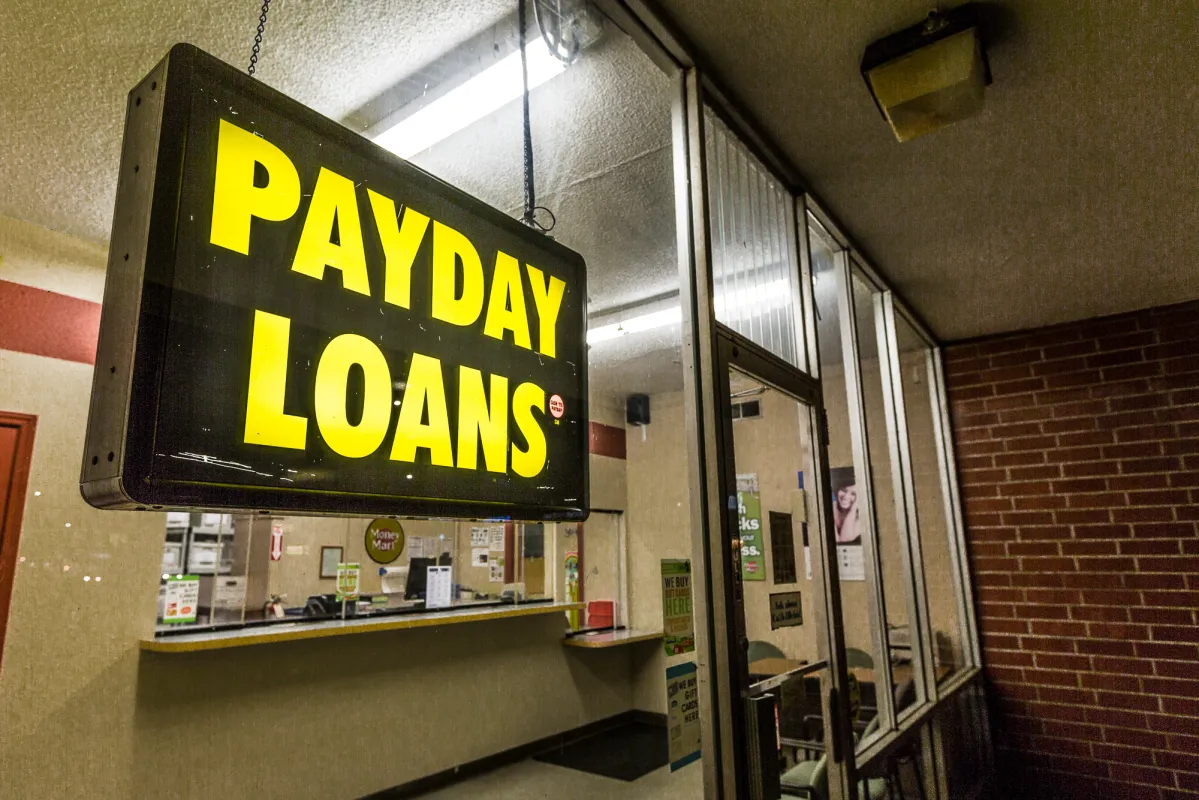 Payday lenders advertise fast access, but the math tells a different story. According to the Cash Poor Report 2025, payday loans carry an average total cost of 35 percent and can reach 49 percent at maximum.
That means a $500 loan could easily cost $175 to $245 in fees within weeks. Once late fees or renewals stack up, the total repayment often exceeds $700.
For many cash-poor households, payday loans remain one of the most expensive short-term credit options in the country.
Credit Cards: Hidden Long-Term Costs
Credit cards seem safer — until balances quietly double. The Cash Poor Report found that subprime credit cards average 48 percent in total cost, with maximum scenarios reaching 90 percent of the principal borrowed.
Those same cards generated $19.6 billion in annual borrowing costs, up $8 billion from 2023.
So while a $500 charge may look manageable, compounding balances, transaction fees, and $30–$40 late charges can stretch repayment to 18 months or more — turning a short-term fix into long-term debt.
Buy Now, Pay Later (BNPL): Payment Stacking Risks
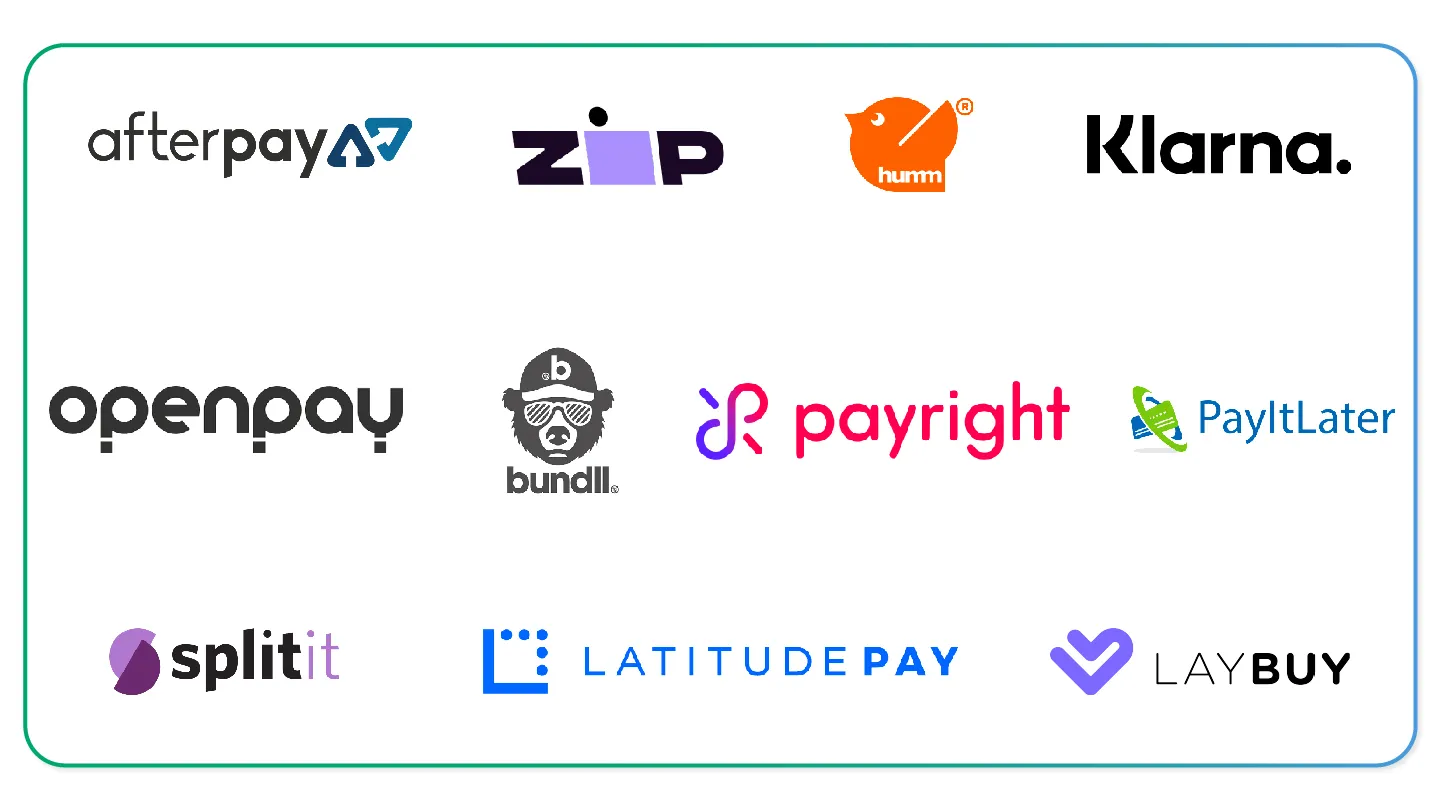 BNPL services like Klarna or Affirm divide purchases into installments, but missed payments carry costs. We found average total costs rising from 20 percent to 23 percent across leading apps.
Borrowers juggling multiple plans often face “payment stacking” — several small obligations that together exceed their budget. Late fees of $7–$10 per installment can push a $500 purchase well past $540 once penalties add up.
SoLo Funds: Transparency by Design
SoLo Funds was built around total-cost transparency. Borrowers choose their own cost before accepting funds:
- Tip: 0 %–15 % (voluntary, paid to the lender)
- SoLo Donation: 0 %, 7 %, 8 %, or 9 % (voluntary, supports the platform)
- Late Fee: Single 10 % charge after a 20–30 day grace period
According to the Cash Poor Report 2025, SoLo’s total cost ranges from 0 % to 36 %, with an average of 17 percent — about $85 on a $500 loan.
Costs never compound, and both the borrower and lender know the full repayment amount on day one. Learn more in Understanding Fees on SoLo Funds and What’s the Real Cost of Borrowing with SoLo Funds.
Real-World Comparison: $500 Borrowed
| Option | Average Total Cost | Total Repayment | Key Risk |
| Payday Loan | 35 % avg (49 % max) | $675 – $745 | Rollovers, renewal fees |
| Credit Card | 48 % avg (90 % max) | $740 – $950 | Compounding balances, late fees |
| BNPL | 23 % avg | $615 | Overlapping plans, missed payments |
| SoLo Funds | 17 % avg (36 % max) | $585 – $680 | Transparent, single late fee |
The Real Cost…
A $500 loan shouldn’t cost another $500 to repay. Yet the Cash Poor Report 2025 shows that for millions of Americans, that’s exactly what happens when borrowing structures hide their true costs.
Payday lenders and credit cards rely on compounding fees. BNPL can overwhelm with overlapping plans. SoLo Funds offers a simpler path — borrowers set their own cost, lenders earn predictable returns, and the community keeps wealth circulating locally.
When money is tight, clarity matters more than speed. Know your total cost — and borrow smarter with SoLo Funds.